STOP chasing perfection
A reporter once asked a very successful businessman:“What is the secret to your success?”The man replied: “Two words”.“And they are?”“Right decisions”“OK, I see—and how do you make the right decisions?”“One word”“And that is?”“Experience”“I see, and how do you get experience?”“Two words”“And what are they?”“Wrong decisions” We love this story. In it the perils of chasing perfection are perfectly described. So many people have...

Conflict and collaboration. A match made in heaven?
Conflict is usually seen as something negative, often as a result of people having experienced conflict and found it to be painful and demotivating and having an unhealthy impact on the work culture and climate. But conflict doesn’t have to be negative at all. It all comes back to how we perceive it. We can either see it as a good thing or a bad thing – or something in between. In fact, conflict is only a difference of opinion, which...

Be a storyteller
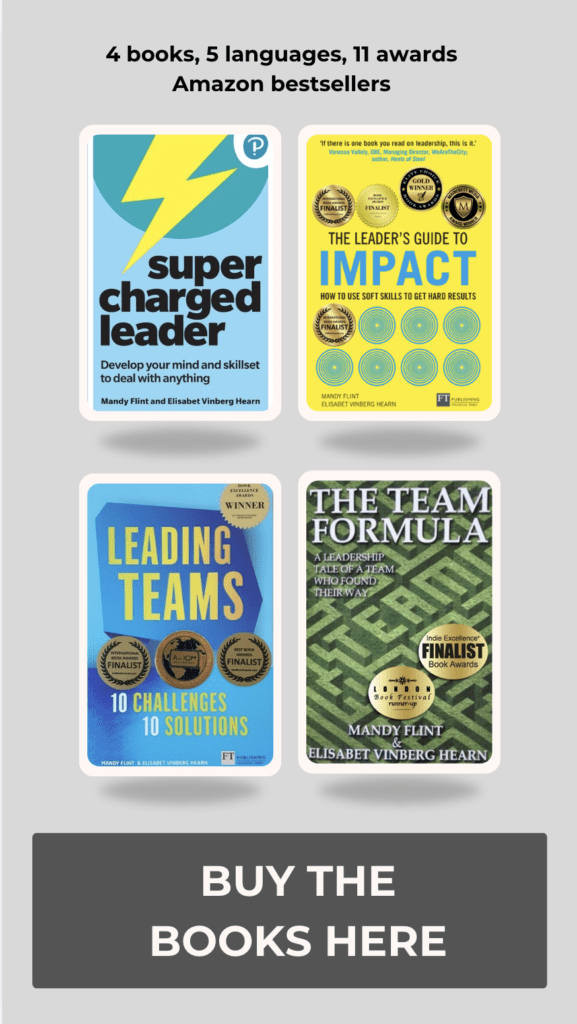
The very first book we wrote was a business novel called ‘The Team Formula – A Leadership Tale of a Team Who Found Their Way’. We chose this format because we feel so strongly about the power of storytelling. And the impact was staggering – we have lost count of how many people have told us “you could have been talking about us, I recognised so many of those situations!” And that’s the beauty of stories, they make theories and ideas...

Four ways to improve social health
Health is important for us all, at work and in life as a whole. We often think and talk about it as physical health and mental health. But what about social health? This could be described as team health, collaborative health, connectedness health, belonging health, networking health – basically anything that talks about the health that our social interactions (or lack thereof) create. People spend so much time in a work environment,...

‘Always on’ cultures are outdated and inefficient
You may not see yourself as occasionally biased, but the truth is we all have unconscious biases; it’s part of having a brain. The brain’s job is to help us be more efficient by noticing patterns and helping us make decisions. But that also means that we sometimes are too quick to make assumptions and draw conclusions based on incomplete and/or biased information.Yes, some biases are to be expected, BUT that doesn’t mean we can’t...